


How a Digital Growth Agency Runs Monthly Sprints That Actually Grow Your Business
If your marketing feels random—post something here, try ads there, hope for the best—you’re not bad at marketing. You’re just missing a system.
This is why many businesses work with a digital growth agency instead of doing everything ad-hoc. Not for more “ideas,” but for a repeatable way to turn ideas into results.
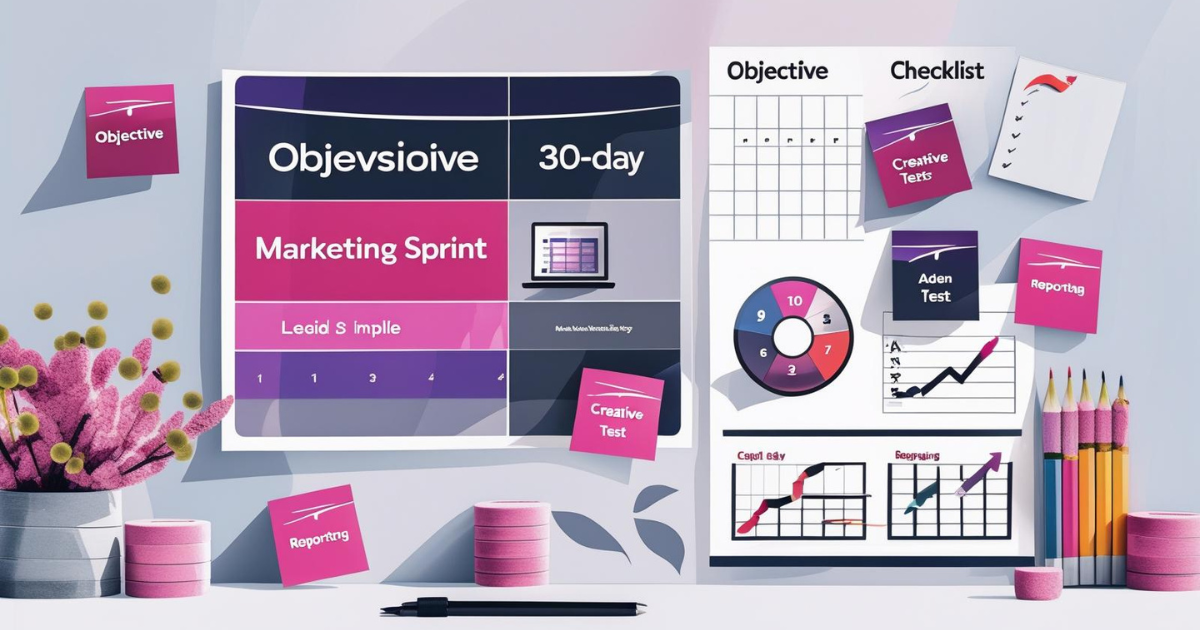
One of the simplest systems used by a modern growth marketing agency is a monthly sprint. Think of it as a short cycle where you:
- Pick one clear goal
- Execute fast
- Test a few smart changes
- Decide based on real data
Below, you’ll see how a growth agency uses a monthly sprint (often called a 30-day sprint) to drive consistent progress—without long, boring plans that never survive reality.
Why businesses choose a digital growth agency today
The market changes too fast for rigid plans. Platforms change, costs change, customer behaviour changes. What worked six months ago may not work now.
A strong digital growth agency focuses on speed and learning, not perfect predictions. The goal is not to guess right every time—it’s to learn faster than your competition.
That’s why many agencies now work in short cycles:
- Short enough to stay flexible
- Long enough to see real results
- Structured enough to avoid chaos
A monthly sprint gives structure without killing momentum. It’s one of the main reasons businesses prefer a growth marketing agency over traditional agencies that plan a lot but move slowly.
What a “good” growth objective really looks like
Every sprint starts with one clear objective. If this is weak, everything else becomes messy—no matter how good the team or tools are.
A strong objective is:
- About outcome, not activity
- Measurable
- Realistic within a month
Good examples:
- Increase qualified leads from 20 to 35
- Increase booked calls from 10 to 16
- Improve online sales conversion from 1.2% to 1.6%
Bad examples:
- Grow brand awareness
- Post more on social media
- Improve marketing
This is where a digital growth agency adds value—by forcing clarity when most teams stay vague.
One main metric, two support metrics
A clean sprint uses:
- One main KPI (the real goal)
- One or two support metrics (to explain why results change)
For example:
- Main KPI: booked calls
- Support: cost per lead, landing page conversion rate
This keeps the sprint focused and stops you from drowning in numbers.
Define your audience and offer simply
Before anything launches, a growth agency writes one clear paragraph:
- Who is this for?
- What problem do they have?
- What’s the next step we’re asking for?
If you can’t explain this in plain language, your ads, content, and landing pages will never align.
The monthly sprint structure (week by week)
Many teams call this a 30-day sprint or use a simple 30-day marketing sprint template. The name doesn’t matter—the structure does.
Week 0 – Setup that saves you later
This is the foundation week.
- Tracking: analytics, conversions, CRM or form capture
- Landing page: clear message, proof, simple CTA
- Creative: a small set of ads or content pieces
- Limits: budget and performance targets
A digital growth agency never pushes traffic before measurement is ready. Otherwise, you’re just burning time and money.
Week 1 – Run a clean baseline
Week 1 is not about heavy optimisation. It’s about seeing what happens with a clean start.
- Launch campaigns or content
- Keep things stable for a few days
- Watch early signs: clicks, engagement, conversions
By the end of Week 1, a growth marketing agency knows where the real problems are: traffic, message, or page.
Week 2 – Test smart, not random
Now you test, but carefully.
Change one main thing at a time:
- Message angle
- Headline or hook
- Proof style (reviews, stats, process)
- Audience group
This is where a good growth agency stands out—because it tests with a reason, not just for fun.
Week 3 – Push what works, fix what breaks
Week 3 is about using what you learned.
- Put more effort into winners
- Reduce or pause losers
- Add simple retargeting or follow-up if needed
Now the sprint starts showing real business impact.
Week 4 – Turn learning into a plan
This is the most important part.
- What worked and why?
- What failed and why?
- What is the next sprint about?
A digital growth agency doesn’t just “finish” a sprint—it uses it to build the next one faster and smarter.
Different channels, different jobs
A common mistake is treating all channels the same. A good growth marketing agency gives each stage a job.
Top of funnel – Get attention
Goal: reach the right people and earn interest.
Channels: social media, video, search content, discovery ads.
Middle of funnel – Build trust
Goal: help people feel confident.
Channels: email, retargeting, case studies, explainers, comparisons.
Bottom of funnel – Make action easy
Goal: make the next step clear.
Channels: landing pages, booking pages, sales follow-up.
What to test in one sprint
In a month, you don’t need 50 tests. A smart digital growth agency focuses on a few big ones:
- Pain vs outcome message
- Different offers
- Headline styles
- Proof types
- Content or ad formats
- CTA wording
Always test meaning before design.
Reporting that leads to action
A dashboard shows numbers. A good sprint report shows decisions.
The weekly decision page
Every week, a growth agency answers:
- Are we on track?
- What changed?
- What are we scaling?
- What are we stopping?
- What are we testing next?
This keeps growth practical, not theoretical.
Example of a simple sprint in action
Imagine a service business that wants more calls.
Goal: increase booked calls from 10 to 16.
Main KPI: booked calls
Support: cost per lead, booking rate
Week 0: setup page, tracking, 5 creatives
Week 1: baseline launch
Week 2: test headlines and messages
Week 3: scale best performer
Week 4: review and set next goal
Even if the target is missed, the business finishes with clear learning—something only a structured digital growth agency can guarantee.
Why this system defines a modern growth agency
Old agencies plan. New agencies learn.
A modern digital growth agency connects:
- Strategy: clear goals
- Creative: messages with purpose
- Performance: decisions from data
That’s what turns “trying things” into a real growth system.
If you want to run growth like a real digital growth agency, start with a simple sprint system. Use a basic 30-day marketing sprint template to plan your month, or work with a team that already runs this process every day.