


How a Mid-Sized eCommerce Brand Fixed Marketing Chaos in 90 Days (Case Study)
Growing eCommerce brands rarely struggle because they're not doing marketing—they struggle because they're doing too much of it without direction. One week it's paid ads, the next it's landing pages, then email campaigns, then something new again. Everything moves, but nothing compounds.
This is exactly the kind of problem a digital growth agency UK brands rely on is built to solve—turning scattered activity into a system that drives consistent results.
This case study breaks down how a mid-sized eCommerce brand moved from reactive execution to a structured growth engine in 90 days—improving conversion rate, reducing CAC, and gaining clarity on what actually drives revenue.
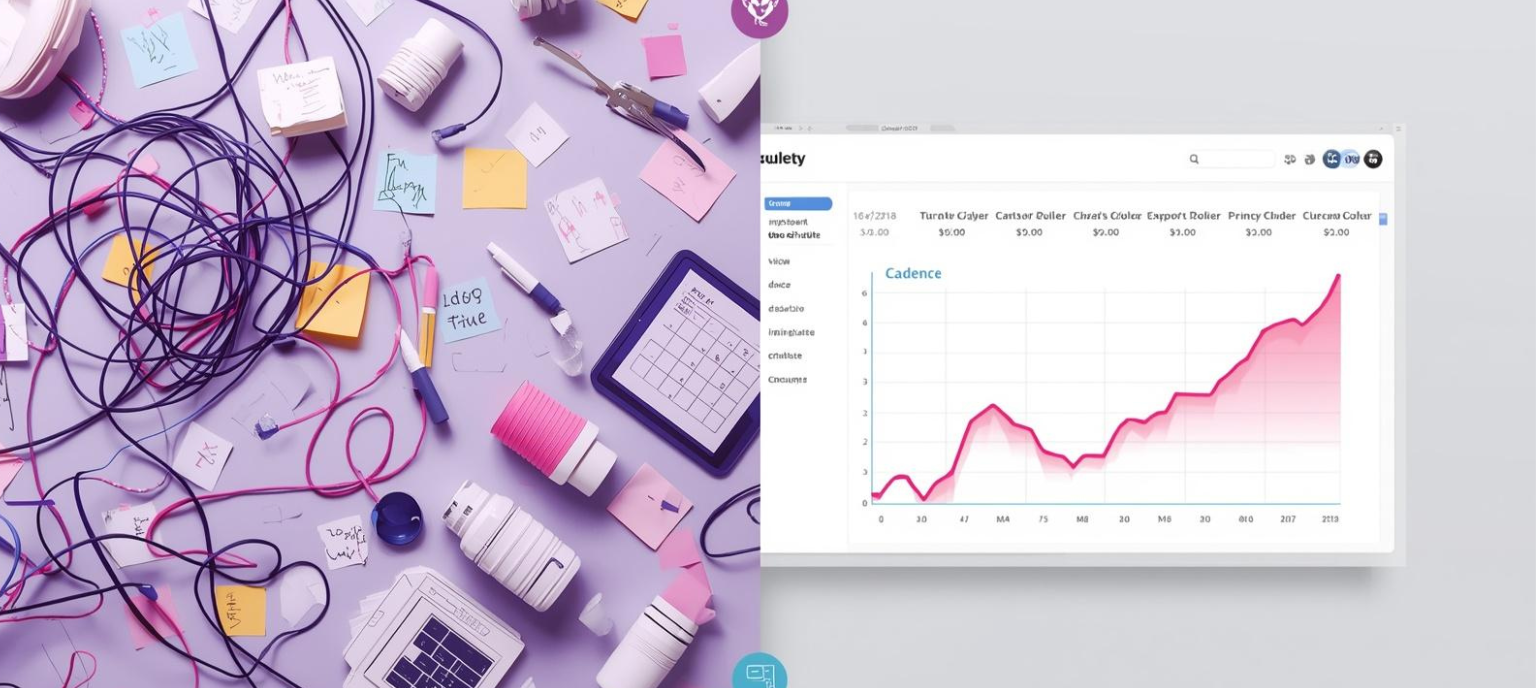
The "Marketing Chaos" Problem (And Why It's So Common in Growing eCommerce)
Marketing chaos usually appears right after growth starts working.
As brands expand, complexity increases:
- More channels (Meta, Google, email, SEO)
- More stakeholders
- More pressure to scale quickly
The result is activity without alignment.
From the outside, everything looks busy. Internally, there's no clear answer to one key question: What is actually driving growth right now?
The Starting Point: What Wasn't Working
When we analysed the business, the issue wasn't performance—it was lack of structure.
Key problems:
- Paid spend was fragmented — Campaigns overlapped, testing lacked direction, and retargeting carried too much weight.
- The funnel was leaking revenue — Landing pages didn't match ad messaging, and small UX issues were hurting conversions.
- Reporting created confusion — Different platforms showed different "truths," and decisions were reactive instead of strategic.
The numbers weren't bad—they were unstable. And instability kills scalability.
The 90-Day Plan (Three Phases)
Instead of adding more tactics, the focus was on building a system:
- Fix the foundation
- Create execution rhythm
- Build optimisation loops
This is where most businesses go wrong—they skip structure and try to scale chaos.
Phase 1 — Foundation (Weeks 1–3)
The first phase wasn't about growth—it was about clarity.
What changed:
- Defined a single source of truth for CAC and revenue
- Standardised reporting across channels
- Aligned messaging across ads, landing pages, and email
- Improved mobile experience and reduced friction
This removed noise and allowed the team to make decisions based on data—not guesswork.
Phase 2 — Execution Cadence (Weeks 4–8)
Once the foundation was stable, the focus shifted to consistency.
Key systems introduced:
- Creative testing framework — Structured weekly testing with clear hypotheses and measurable outcomes.
- Paid ads restructuring — Better segmentation, clearer intent targeting, and improved spend allocation.
- Email optimisation — High-impact flows prioritised and consistent campaign scheduling introduced.
Instead of random activity, the team followed a repeatable weekly rhythm.
Phase 3 — Optimisation Rhythm (Weeks 9–13)
The final phase focused on compounding results.
- Weekly landing page improvements
- Clear budget scaling rules
- Defined performance review cycles
At this stage, growth became predictable—not reactive.
Before vs. After: The Results (With Context)
After 90 days, performance improved across all key metrics:
- Traffic increased by 18%
- Conversion rate improved by 31%
- CAC reduced by 21%
- Revenue mix became more balanced
- New customer contribution increased
These weren't random gains—they came from structured execution and consistent optimisation.
What Made the Difference (The Real Differentiator)
The biggest shift wasn't a channel—it was the system.
Instead of treating ads, email, and the website as separate efforts, everything was connected into one growth loop.
This is where a digital growth agency UK businesses trust stands out—by building a system where:
- Strategy connects to execution
- Data drives decisions
- Every action compounds
That's what turns marketing into a growth engine.
What You Can Copy From This Case Study (Even Without an Agency)
You don't need a full team to start improving.
Start with:
- A simple weekly scorecard — Track sessions, conversion rate, CAC, and revenue consistently.
- Structured testing — Every test should have a clear reason and expected outcome.
- Message alignment — Ads, landing pages, and offers should match clearly.
- Execution consistency — Build a rhythm before adding new channels.
These changes alone can eliminate a large part of marketing inefficiency.
When It's Time to Bring in Help
If your marketing feels like:
- Constant experimentation with no clear direction
- Confusion around attribution and performance
- Growth that isn't predictable
Then the problem isn't effort—it's structure.
At that point, you don't need more tactics. You need a system that scales.
One Next Step
If you want to build a predictable growth engine instead of reacting week to week, the next step is simple.